It Doesn’t Have to Be This Way: How Georgia Center for Opportunity is Fighting Family Instability
“For decades now in America, we’ve done a good job making poverty survivable. We’ve not done a good job of making it escapable.”
When Randy Hicks first heard about a position at Georgia Center for Opportunity, he was living on the West Coast with a “perfectly good job” and another “perfectly good job offer.”
Then, Georgia Center for Opportunity recruited him.
Randy now serves as the President & CEO of the organization.
“We develop solutions that increase opportunity and create durable pathways to prosperity for Georgia’s families,” Randy explained. “We’re particularly focused on low-income families, so as we look at the community, we’re looking for those things that are most predictive of family stability and are the building blocks of a flourishing life.”
Georgia Center for Opportunity focuses on three “building blocks”: education, employment and family formation.
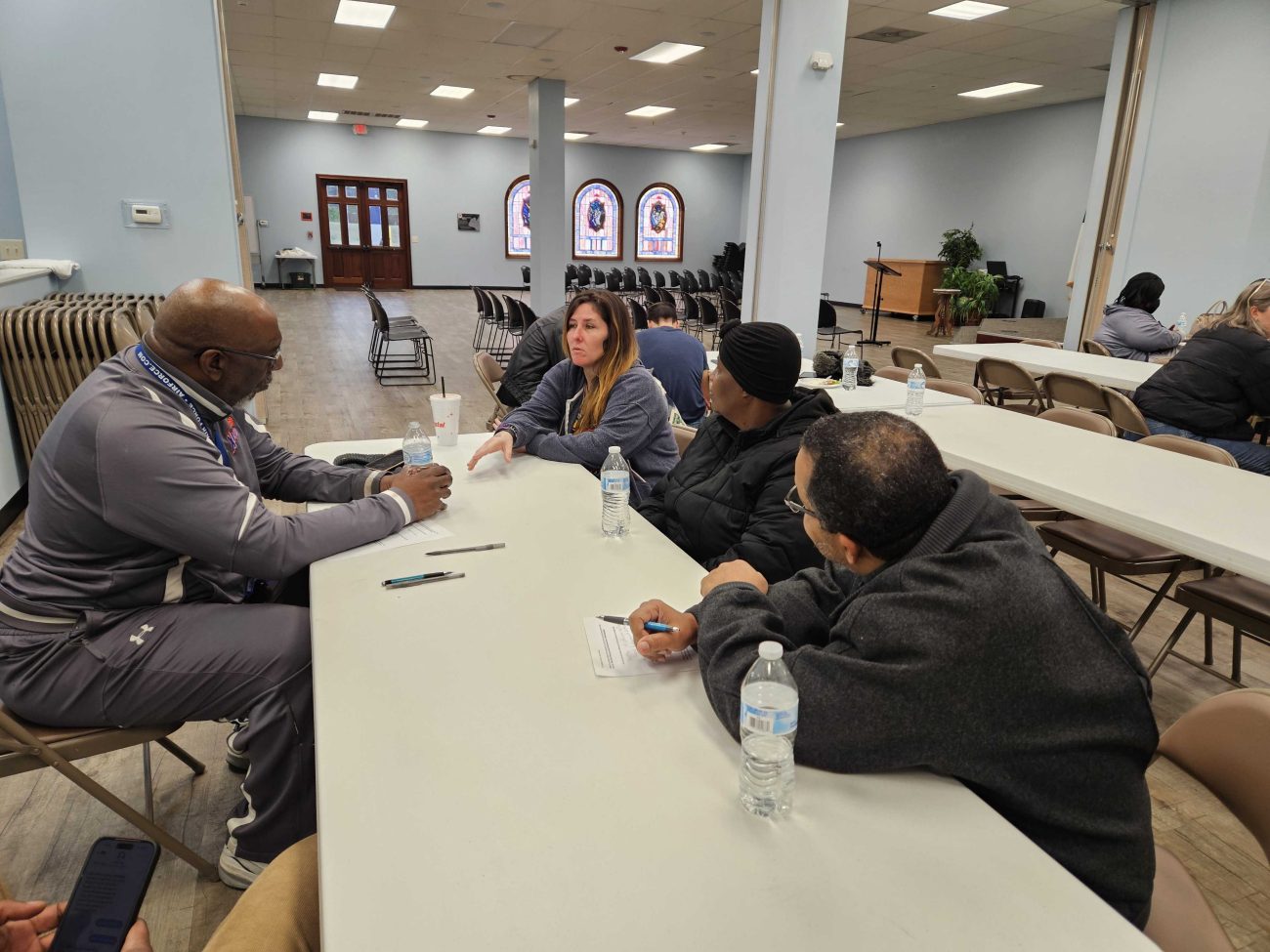
While the center does hands-on work in the community, it also functions as a think tank, exploring ways that organizations can come together to meet human needs.
“There are tons of good groups doing good work, but there typically hasn’t been an overarching coordination of efforts,” Randy explained. “Our model is about collaboration. Everything we do hinges upon really good partnerships.”
Just as he was recruited, Randy later recruited a former Georgia Center for Opportunity intern, Eric Cochling, to join the team. Eric now serves as chief program officer & general counsel.
For Eric, this work is personal.
He grew up in a single-parent household with multiple stepdads, but he also witnessed what a healthy family could be and do.
“I was in an informal fostering situation with a pastor’s family that my mom met,” Eric explained. “I lived with them for three years and got to see what an intact family with healthy relationships can do to change the trajectory of a life.”
Through extensive research and partnerships, Randy and Eric are developing solutions to help families not only survive poverty but thrive.
“Our partners lean on us for data analysis and policy recommendations on the current state of unemployment, family formation or educational outcomes, both for state and federal issues,” Eric explained.
One woman they served demonstrates this need for reform.
“She had moved with her kids to Georgia to escape an abusive situation,” Randy shared.
“She immediately got a job to provide for her kids, but when she got the job, she hit what’s called a ‘benefits cliff’ with her welfare program.”
This “benefits cliff” left this mother in crisis. She could either keep her job and build her career or quit to receive housing assistance again.
She chose to keep her job and sleep in her car.
But through partnerships in Lawrenceville and Gwinnett County, this mother found the assistance she needed for stable housing while she continued working.
“[Her story] speaks to the importance of what we do,” Randy said.
“At a policy level, we can [advocate] to change something that disincentivizes and even punishes work. At the community level, it was important to have different groups you can turn to when someone has a real problem that needs to be solved. Hers wasn’t job training; we could’ve done that. Hers was the immediate assistance needed to keep her job and keep her kids housed.”
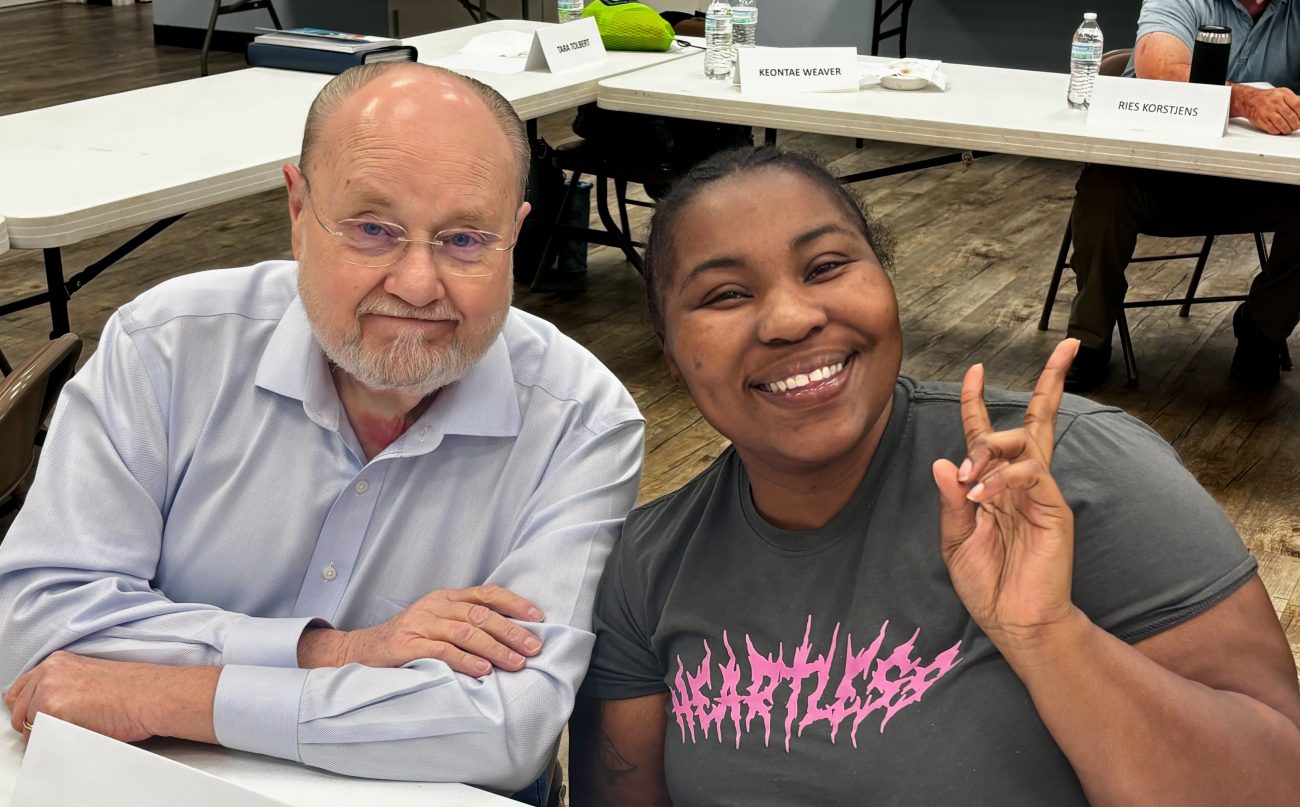
One of these community partnerships is Crisis to Career, a collaborative effort between Georgia Center for Opportunity, Neighborhood Cooperative Ministries and Families First. Together, these organizations offer workforce readiness, life-skills training and community support to help individuals achieve stability and build sustainable careers.
One early advocate for Crisis to Career was the Community Foundation for Northeast Georgia, where Crisis to Career’s agency fund resides.
“I appreciate the foundation’s focus on the community,” Randy said. “I know it’s called a community foundation, but it could just [manage] donor-advised funds and not be as directive, instructive or as purposeful as the foundation is.”
Through partnerships like these, Randy, Eric and their team are committed to a vision of renewal and stability.
“I have a constant belief that there’s got to be a better way, so we shouldn’t throw up our hands and surrender,” Randy said.
“We will always have people who are poor and fragmented families, but it doesn’t have to be on the scale we have today.”
To support career development and long-term stability, donate to Crisis to Career’s fund.